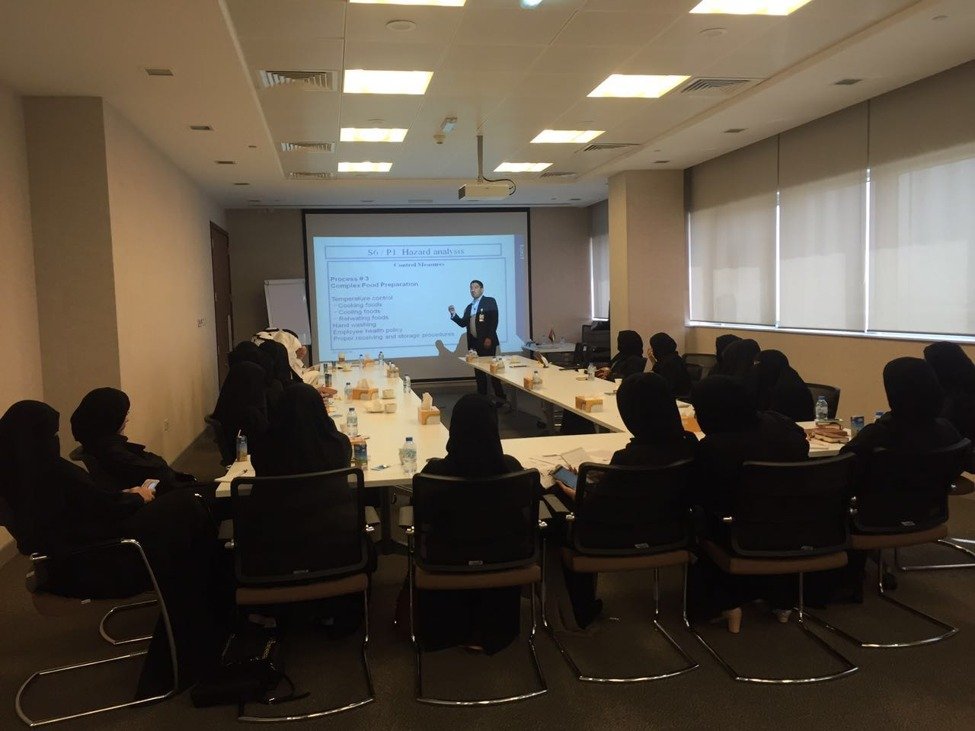
Good Hygiene Practices (GHP) / Good Manufacturing Practices (GMP)/ Basic Food Hygiene (BFH) refer to the essential practices and conditions needed to ensure the safe production, handling, and distribution of food to prevent contamination and maintain food safety. GHP focuses on providing and maintaining conditions and facilities at all stages, from receipt of raw materials, preparation, storage, display to distribution of food products. It is pre-requisite for the effective implementation of food safety management system in food establishments.
The GHP training will help:
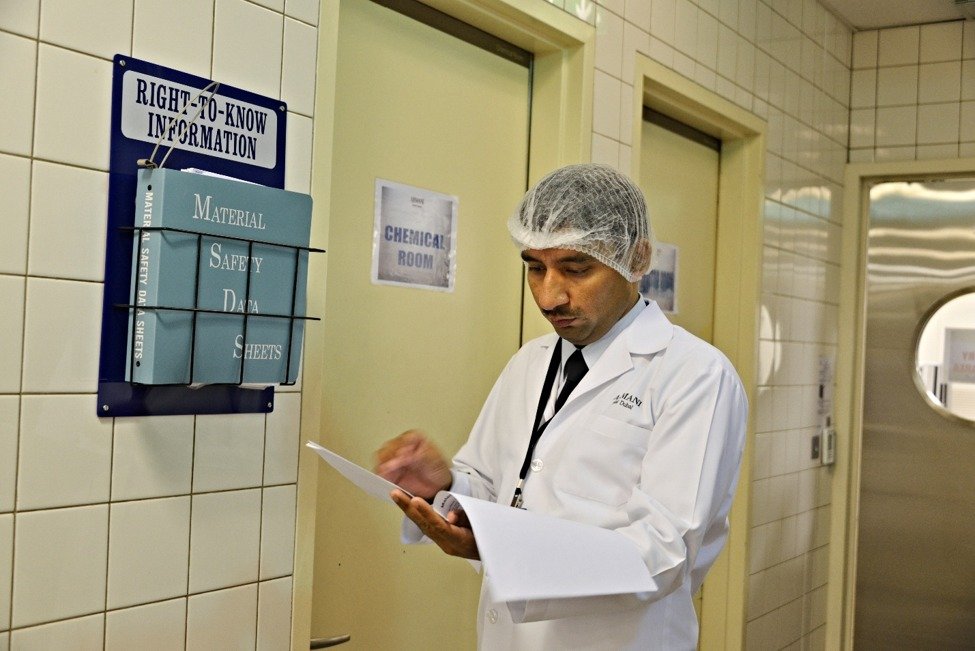
Risk-based inspection of the food premises is a systematic, legally authorized on-site examination of a food establishment (restaurants, factories, retail stores, etc.) to evaluate compliance with food safety laws and regulations. It covers physical infrastructure, equipment sanitation, food handling/storage practices, staff hygiene, pest control, waste management, storage, transportation, and documentation (e.g., GHP and HACCP records) to identify risks and prevent foodborne illness. Inspections are usually conducted by authorized regulatory officers... Inspections provide raw data to build risk-profiling allowing food control authorities to allocate more frequent visits to high-risk establishments and less to low-risk ones.
Foodborne Disease Outbreak is triggered when two or more cases of a similar illness are epidemiologically linked to a common food source. It systematically combines epidemiology (case-finding, analytic studies), laboratory science (pathogen isolation, whole-genome sequencing), and environmental health (traceback, facility inspections) to identify the etiologic agent, source, contaminated vehicle, and contributing factors to ultimately identifying the source, stopping the outbreak and preventing recurrence. Foodborne Disease Outbreak Investigation is a reactive emergency response requiring legal authorities to respond immediately for public health protection.
HACCP Food Safety System is a systematic, preventive approach to food safety that identifies, evaluates, and controls significant biological, chemical, and physical hazards throughout the food production process. The HACCP system is designed to ensure that food is safe for consumption by addressing potential risks at critical control points in the food supply chain, from raw material production to final consumption. It applies to all organizations in the food chain, from producers, manufacturers, distributors to retailers.
Auditing a HACCP-Based Food Safety System is a systematic, independent, and documented verification process that evaluates whether a facility’s HACCP plan is scientifically valid, fully implemented, effectively maintained, and compliant with national, regional or international standards. HACCP Lead Auditor Training course will focus on how to implement and conduct food safety management system verification activity base on auditing of HACCP requirements of the Codex Alimentarius Commission. This course provides updates on recent developments and standard for HACCP. Like ISO 22000, it is widely used as one of the pre-requisites for the implementation of Halal management system in the food industries.
ISO 9001:2015 Quality Management System (QMS) Lead Auditor Certification course is designed to enable the course participants to understand the ISO 9001:2015 (QMS) standard thoroughly and correlate it to various stages of auditing (planning, preparation, site visits, execution – opening & closing meetings, report preparation and submission, review of corrective action plans, follow ups) and recommendation to award the client with QMS certification. This training course provides participants with comprehensive knowledge of requirements, skills and attributes for ISO 9001 Lead Auditor and standards. This course can be approved or recognized by Exemplar Global or CQI and IRCA.
ISO 22000:2018 Food safety management systems Certified Lead Auditor Training Course (5-Days) is the international standard of food safety management system (FSMS) requirements and applicable to all types of food industries and Halal certification bodies providing auditing of food safety management system. It enables participants to understand the standard thoroughly and correlate it to various stages of auditing and recommendation to award the client with certification. This course can be approved or recognized by Exemplar Global or CQI and IRCA.
The Halal food system refers to the guidelines and principles based on Islamic law (Shariah) that determine which foods and beverages are permissible (halal) for Muslims to consume. These guidelines are derived from the Quran and Hadith. Halal management system course is designed to equip participants with knowledge required to get familiar with Halal requirements in accordance with the latest standards, including OIC/SMIIC 1:2019, and or Halal Food standards of Pakistan. The course provides insights into the Halal fundamentals, compliance, production and processing.
Halal LA course is designed to equip participants with the knowledge and skills required to conduct effective Halal audits in accordance with the latest standards, including OIC/SMIIC 1:2019, and or Halal Food standards of Pakistan. The course shall provide insights into the principles of Halal certification, compliance requirements, and audit methodologies, empowering participants to become competent and confident Halal Lead Auditor.
1. Refer to categories in Service section
2. Detailed Data will be provided to upload
Statement Data will be provided to upload
Tailored Training, Certification and Inspection Programme - Statement Data will be provided to upload
(Data is not available yet - Provision created)
Statement Data will be provided to upload
Event name, date .......